

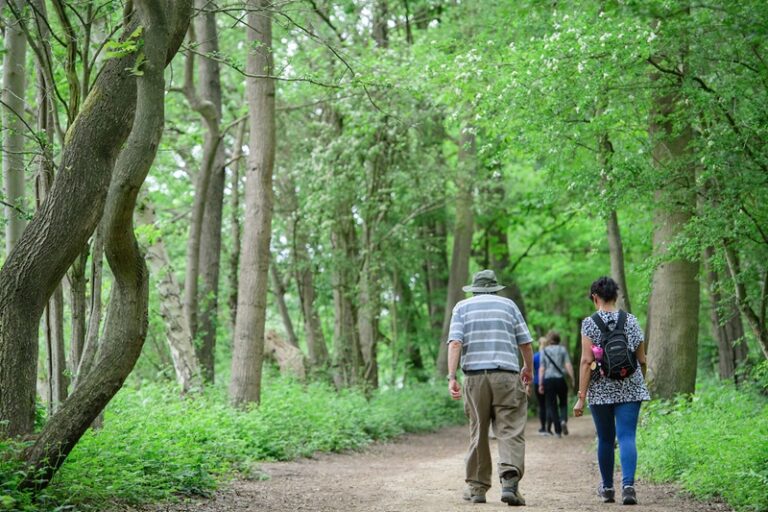
Dementia Action Week is a national awareness week led by Alzheimer’s Society – the purpose is to encourage individuals, communities and organisations to take action to support people affected by dementia and to promote ways we can all live well.
Being active plays an important role in helping people live well, supporting physical health, mental wellbeing and brain health at every stage of life. Physical activity is one of the lifestyle factors that has been shown to prevent dementia, as well as being beneficial for those living with dementia.
Why being active matters
Keeping active is one of the best things we can do for our long-term health. Regular movement helps improve circulation, supports memory and concentration, boosts mood and can contribute to better overall health and wellbeing over time.
The good news is that being active doesn’t mean running marathons or intense workouts at the gym. Everyday movement counts, and even small amounts can make a difference. It’s never too late to start.
Being active to prevent dementia
Research has shown that up to 45% of dementia cases are potentially preventable.
While no single behaviour is guaranteed to prevent dementia, our lifestyle choices have a profound effect on brain health.
Physical activity is one important way to support brain health and reduce the risk of developing dementia. Regular movement can improve blood flow to the brain, strengthen connections between brain cells, and help reduce risk factors linked to dementia, including high blood pressure, diabetes, obesity, and depression. Staying active can also improve mood, sleep, confidence, and overall wellbeing — all of which play an important role in maintaining a healthy brain throughout life.
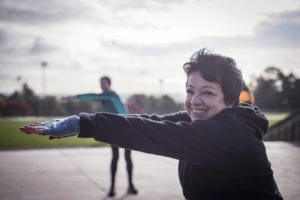
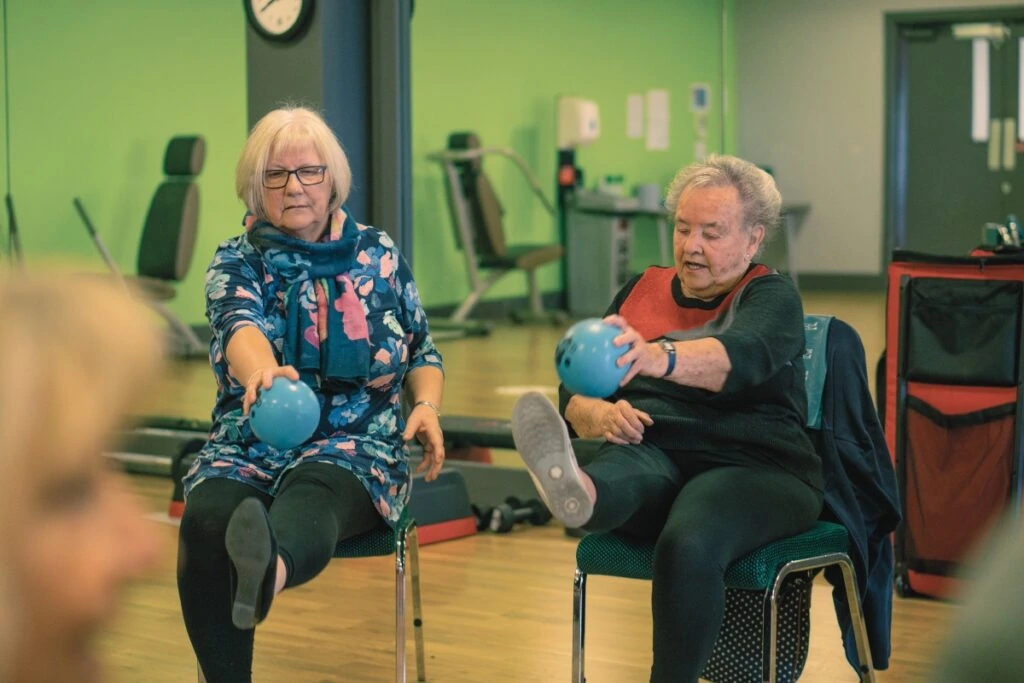
Walking, gardening, dancing, swimming, cycling, chair-based exercises, or simply moving more each day can all make a difference. Activities that combine physical movement with social interaction, such as group walks or exercise classes, may provide additional benefits by reducing loneliness and supporting emotional well-being.
Living well with dementia
For those living with dementia, gentle, regular activity can play an important role in helping support wellbeing. Being active can help people to:
- Maintain strength, balance and mobility
- Feel more confident and positive
- Sleep better and manage feelings of anxiety
- Stay socially connected and less isolated
Activities that are adaptable and enjoyable to individual needs can support independence and wellbeing for both people living with dementia and their carers.
Walking and gentle movement in the community
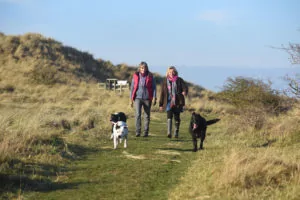
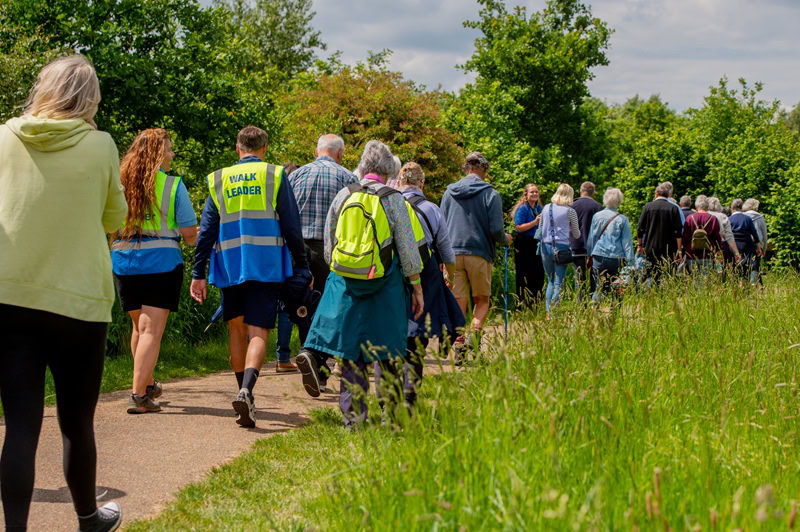
Walking is one of the most accessible ways to be active and this month of May, it’s also National Walking Month; a great opportunity to get outside and enjoy time in your local area.
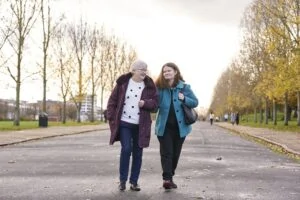
Across Lincolnshire, there are welcoming walking groups and wellbeing walks that focus on enjoyment, social connection and inclusivity such as the Lincolnshire Co‑op Wellbeing Walks. These free walks are led by trained volunteers and offer a relaxed, supportive environment where everyone can feel welcome.
There are also dementia friendly sensory strolls on offer as part of the programme of walks:
Nettleham Sensory Stroll, first Thursday of every month, 11.45am
Meet at Nettleham Village Hall
Boultham Park Sensory Stroll, 2nd Wednesday of every month, 10.00am
Starts from Boultham Park House Care Home, Rookery Lane, LN6 7PH (meets at the back gate adjoining the park)
These walks are designed to gently stimulate the senses while providing opportunities for conversation and connection.
How you can get involved
This Dementia Action Week, there are lots of simple ways to act. Being active looks different for everyone and the best activity is the one that feels enjoyable and right for you.
Here are some ways to get involved:
- Move a little more in everyday life- activities like gardening, housework, playing with grandchildren or dancing to favourite music all help keep bodies and brains active.
- Choose activities you enjoy- from gentle exercise and chair-based movement to swimming, bowls or light fitness sessions, enjoyment matters more than intensity.
- Support strength and balance- activities that help maintain muscle and stability can support independence and reduce the risks of falls.
- Spend time outdoors when possible- fresh air and green spaces can support wellbeing, whether that’s in a garden, park or community space.
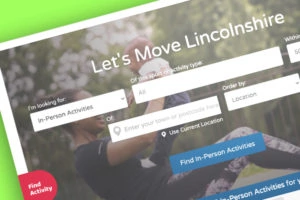
Find out what’s happening locally and explore different ways to stay active using the Lets Move Lincolnshire Activity Finder.
Further support and information
Find further support if you or a person you care for is living with dementia on Connect to Support Lincolnshire.
You can also find information about dementia prevention on the Connect to Support website here
Find further support on being active if you are living with a long term health condition on our Getting Active With a Health Condition page