
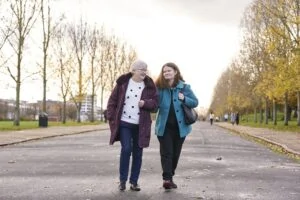

When it comes to improving your health, making small changes to your levels of physical activity can have a big impact.
The latest guidance from the UK Chief Medical Officers reinforces a simple but powerful message: every movement matters. Even small amounts of physical activity can have a positive impact on your physical and mental wellbeing, and if you’re currently doing very little activity, making small changes can bring the biggest health benefits.
Being active could mean playing sport or following a fitness programme at the gym – but equally it could include fitting more movement into your day, or finding an activity that you love. That might mean walking to the shops, taking the stairs instead of the lift, dancing while making dinner, gardening, playing with the children, cycling to work or taking the dog for an extra walk.
Small changes really do add up
The guidance continues to recommend that adults aim for around 150 minutes of moderate physical activity each week, along with activities that strengthen muscles at least twice a week.
But there’s an important message behind those numbers – doing something is always better than doing nothing.
If you’re not currently active, reaching 150 minutes of activity a week, might seem a lot – but you can build up to this gradually. Start where you are. A five or ten-minute walk, stretching while the kettle boils, getting off the bus one stop earlier or choosing to walk instead of drive for a short journey are all positive steps.
These small moments of movement soon add up and, over time, can make a real difference to your health. The research shows that those who are currently inactive, have the most to gain by adding small increases into their movement levels.
What Counts as physical activity?
All types of movement can count towards your active minutes every week. You should aim to moderate levels of activity – which means your heart is working harder. This means you should feel warmer, and you can still talk but not sing – showing you’re breathing harder too.
More than just physical health
Being active isn’t only good for your body.
Regular movement can help to:
- Boost your mood and reduce stress
- Improve sleep
- Increase energy levels
- Support heart health
- Reduce the risk of conditions such as type 2 diabetes, stroke and some cancers
- Help you stay independent as you get older
The evidence also shows that the benefits of being active far outweigh the risks for most people, including those living with long-term health conditions.
Everyday movement counts
One of the biggest messages from the updated guidance is that physical activity doesn’t have to happen in one long workout.
Movement throughout the day all counts towards a healthier lifestyle. That might include:
- Walking or wheeling instead of driving for short journeys
- Cycling to work or school
- Taking the stairs whenever you can
- Doing housework or gardening
- Playing actively with children or grandchildren
- Dancing around the kitchen
- Enjoying a game of football, tennis or another favourite sport
- Going for a walk with family or friends
The best activity is the one you enjoy and can make part of your everyday routine.
Don’t forget strength and balance
The updated guidance also places greater emphasis on building and maintaining muscle strength and improving balance throughout life.
Simple activities such as carrying shopping, climbing stairs, resistance exercises, yoga, Pilates, gardening or strength-based classes all help keep muscles and bones strong. Maintaining strength and balance becomes even more important as we get older, and can help prevent frailty and falls.
Find what works for you
Everyone’s journey to becoming more active looks different. What matters is finding activities that fit your lifestyle, your interests and your ability.
Whether it’s joining a local walking group, trying a new sport, exploring one of Lincolnshire’s parks, cycling with the family or simply moving a little more each day, every step counts.
At Let’s Move Lincolnshire, we believe being active should be enjoyable, achievable and accessible for everyone. There are hundreds of opportunities across the county to help you get moving, whatever your age, experience or fitness level.
This summer, why not make one small change? Walk a little further, try a new activity or spend more time moving with family and friends. You don’t have to be perfect – because every move counts.
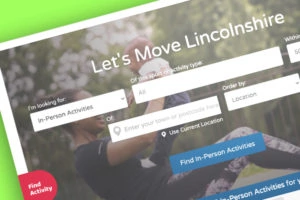
Ready to get started? Explore activities near you with the Let’s Move Lincolnshire Activity Finder and discover simple ways to move more, feel better and enjoy a healthier, more active life.
You can also find a number of tips and suggestions to help you get moving in our Move More section, including advice for anyone living with a long term health condition or disability.
Find out more about the CMO’s physical activity guidelines here.